


Crucial Humidity Considerations for Acoustic Guitars
Acoustic guitars are prized for their rich, resonant sound, but did you know that humidity plays a vital role in maintaining their structural integrity and tonal quality? In this article, we'll explore the importance of humidity for acoustic guitars and discuss tips to preserve their optimal playing condition.
Acoustic guitars are primarily made of wood, meaning it readily absorbs and releases moisture from the environment. When humidity levels fall below or rise above the recommended range, your guitar may suffer adverse effects, such as:
1. **Cosmetic and structural issues:**
Low humidity can cause cracks in the wood, especially around the bridges or other areas where the grain is more pronounced. High humidity, on the other hand, can lead to swollen bridges and fretboards, and even warped tops, back, and sides.
2. **Tonal degradation:**
Inconsistent or extreme humidity levels can also impact the sound produced by your acoustic guitar. Reduced humidity can cause the wood to dry and shrink, altering the guitar's tonal quality. Too much humidity can make the wood soft and unresponsive, resulting in a duller, less distinct sound.
To maintain your acoustic guitar's longevity and playability in various humidity environments, consider the following recommendations:
1. **Monitor humidity levels:**
Invest in a hygrometer, a device measuring humidity, to track your environment's moisture content. Ideally, acoustic guitars should be stored in an area with 45-55% humidity and a temperature between 65-75°F (18-24°C). In layman's terms, it's best not to leave your instrument in an environment that you, yourself, wouldn't be comfortable in. (For example, a hot car trunk, a cold attic, a musty basement, etc.)
2. **Use humidifiers and dehumidifiers:**
If you live in a particularly dry or humid climate, you may need to regulate moisture with a guitar humidifier or dehumidifier. These devices can help stabilize the humidity levels inside your guitar case, protecting the instrument from potential damage.
3. **Be cautious with seasonal variations:**
Remember that humidity levels can fluctuate depending on the time of year. During winter or dry seasons, regularly check your guitar's condition and take preventative measures as needed.
4. **Store guitars properly:**
Store your acoustic guitar in a hard-shell case to minimize its exposure to ambient air and potential damage from other sources.
To summarize, humidity significantly influences an acoustic guitar's structural and tonal quality. By monitoring and managing your environment's moisture content, you can preserve your instrument's condition and ensure it maintains its distinctive sound for years to come.
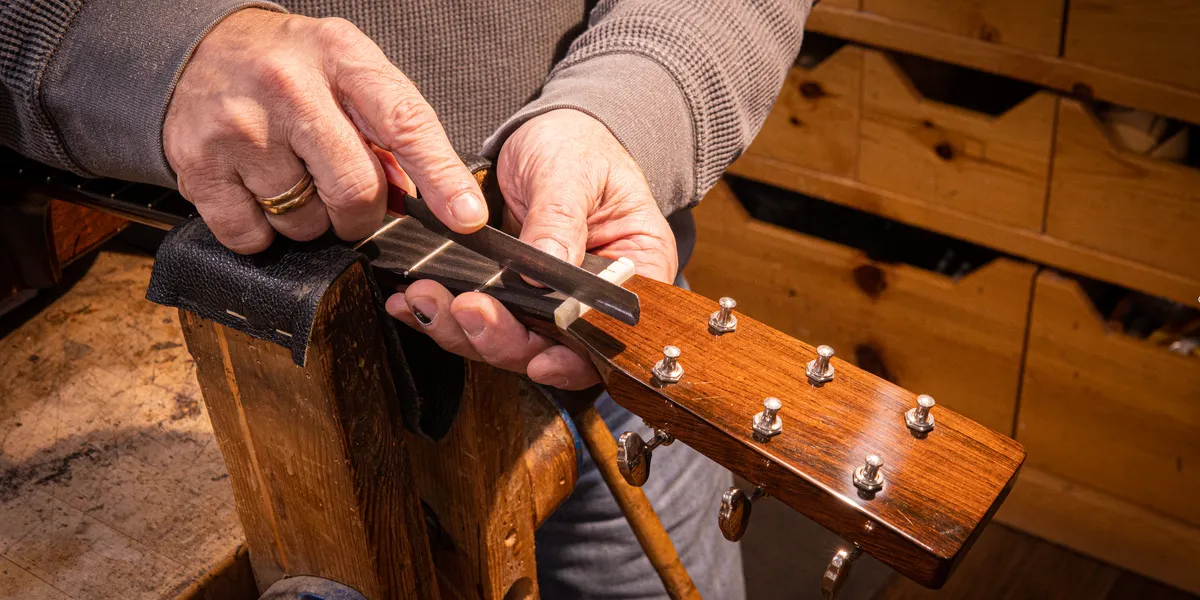
The Benefits of Using Bone for Acoustic Guitar Saddles and Nuts
For musicians seeking to optimize the tone and performance of their acoustic guitars, the selection of saddle and nut materials represents a crucial yet often overlooked decision. Among the various materials available, bone—namely, cattle or water buffalo bone—stands out as a top choice for enhancing the tonal properties of your instrument. In this article, we'll explore the key benefits of using bone saddles and nuts on acoustic guitars and discuss how they contribute to better sound.
1. **Excellent resonance and tone**
Bone has a high stiffness-to-weight ratio, which allows it to efficiently transfer string vibrations and energy to the guitar body, resulting in stronger tone and volume. Compared to synthetic materials—such as plastic, TUSQ, or Micarta—that may dampen resonance and sustain, bone provides superior tonal clarity, richness, and complexity. The result is a more well-rounded, vibrant sound with enhanced harmonics.
2. **Customized string action and intonation**
Compared to plastic and other non-organic materials, bone responds consistently to shaping and filing adjustments, enabling skilled luthiers to fine-tune the saddle and nut slots to achieve the desired action and intonation. Nuts with bone can be customized for a more nuanced break angle and better contact with the strings, ultimately improving the overall tuning stability and playing experience.
3. **Durability and longevity**
Although bone may require occasional maintenance or adjustments, it is incredibly durable and resistant to wear and tear compared to synthetic and softer materials. This longevity translates to reduced replacement frequency and lower overall costs compared to other saddle and nut options.
4. **Structural benefits**
Bone's slight flexibility helps protect acoustic guitars against external pressures exerted by the strings, reducing the risk of structural damage over time. This factor is an essential consideration for musicians who need to maintain their instruments in optimal playing condition.
5. **Historical use and reputation**
Bone has been used for hundreds of years as a preferred saddle and nut material for guitars and other stringed instruments, making it a time-tested and trusted choice with a solid reputation among musicians and luthiers alike.
In conclusion, bone offers numerous advantages as a saddle and nut material for acoustic guitars. Its resistance to wear and tear, customization capabilities, and superior tonal qualities make it an appealing alternative to synthetic options. As always, maintaining and protecting your instrument with regular cleaning, storage, and monitoring humidity levels will contribute to maximizing the lifespan and performance of your bone saddle and nut.
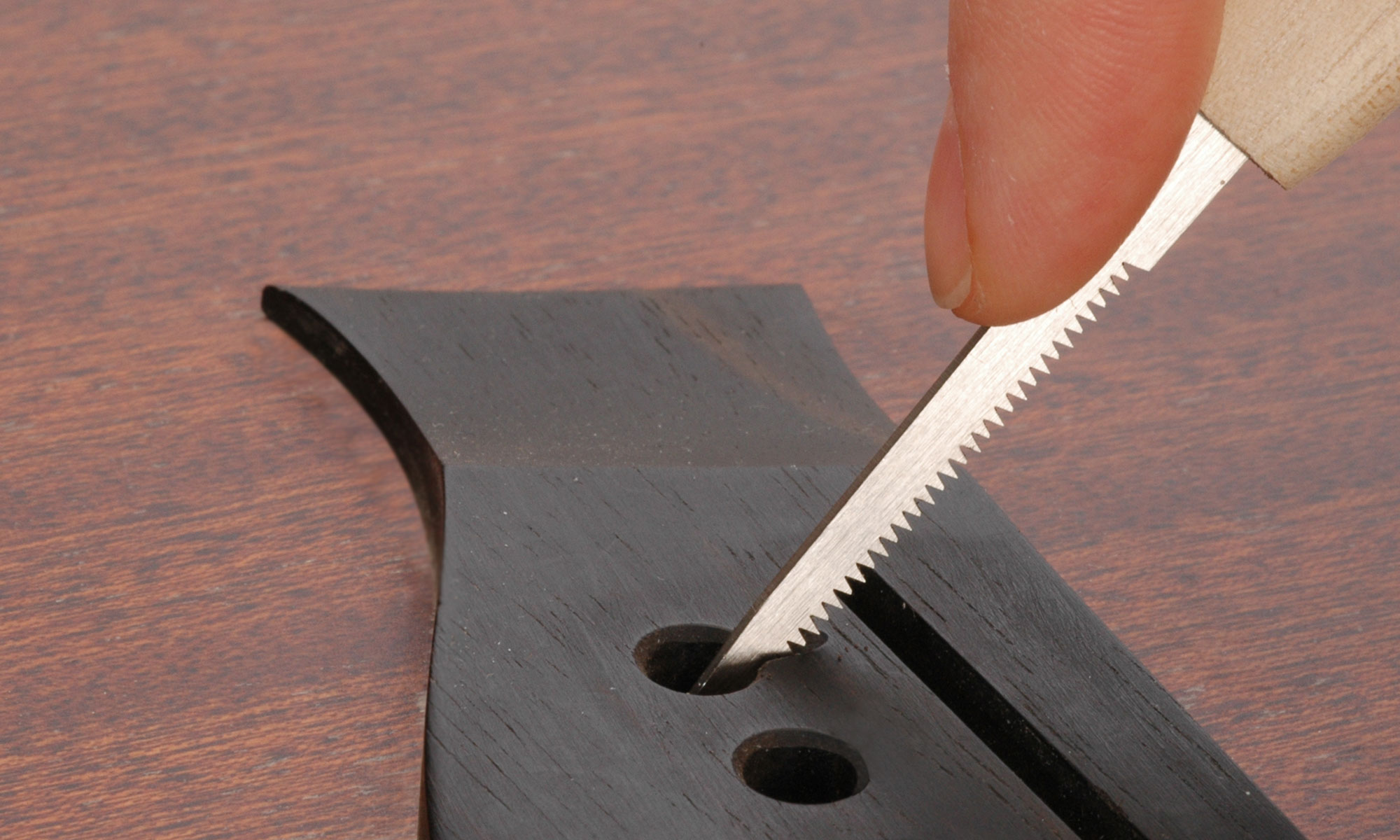
The Tonal Benefits of Slotting the Bridge on an Acoustic Guitar
Slotting the bridge can provide several tonal benefits:
1. **Improved string alignment**
By precisely slotting the bridge, each string will make optimal contact with the saddle, leading to better intonation and a clearer, more even tone across all strings.
2. **Enhanced sustain**
Slotting the bridge can increase the string break angle over the saddle, which results in improved downward pressure on the saddle. This added pressure helps to transfer more vibrational energy from the strings to the guitar body, extending sustain.
3. **Customized tonal response**
By adjusting the depth and width of the slots, players can manipulate the tonal characteristics of their instruments. For instance, shallower slots can result in a brighter, more open tone, while deeper slots can darken the tone and add warmth.
4. **Better playability**
A well-slotted bridge can result in improved action and reduced string buzz, making for a more comfortable playing experience.
However, slotting the bridge is a complex and intricate process that requires a deep understanding of guitar anatomy, woodworking, and acoustics. If not done correctly, it can lead to tuning issues and negatively affect the guitar's tone and playability. It's highly recommended to consult a professional luthier or experienced guitar technician before attempting to slot the bridge on an acoustic guitar.
In conclusion, slotting the bridge on an acoustic guitar can offer various tonal benefits, ranging from improved intonation and sustain to customized tonal responses. Nevertheless, due to the complexity of the process, it is crucial to seek professional help to avoid potential complications.